Custom extrusion buying requires checking supplier capabilities, material certifications, and tolerance standards. This guide outlines a step-by-step process to evaluate vendors, verify quality control, and select a partner for custom aluminum profile procurement.
- Define your profile tolerances and surface finish requirements before contacting suppliers.
- Verify raw material traceability and heat treatment capabilities through certificates.
- Request samples and test fit before committing to a full production run.
- Evaluate communication speed and change order handling for long-term partnerships.
Sourcing custom aluminum extrusion profiles is a decision that directly impacts assembly cost and product reliability. Many buyers face the same problem. They need a specific cross section that does not exist in standard catalogs, but they do not know how to vet a supplier effectively. This guide walks through the practical steps for custom extrusion buying. It covers the documents to request, the technical questions to ask, and the red flags that indicate quality issues.
Step One: Define the Exact Profile Requirements
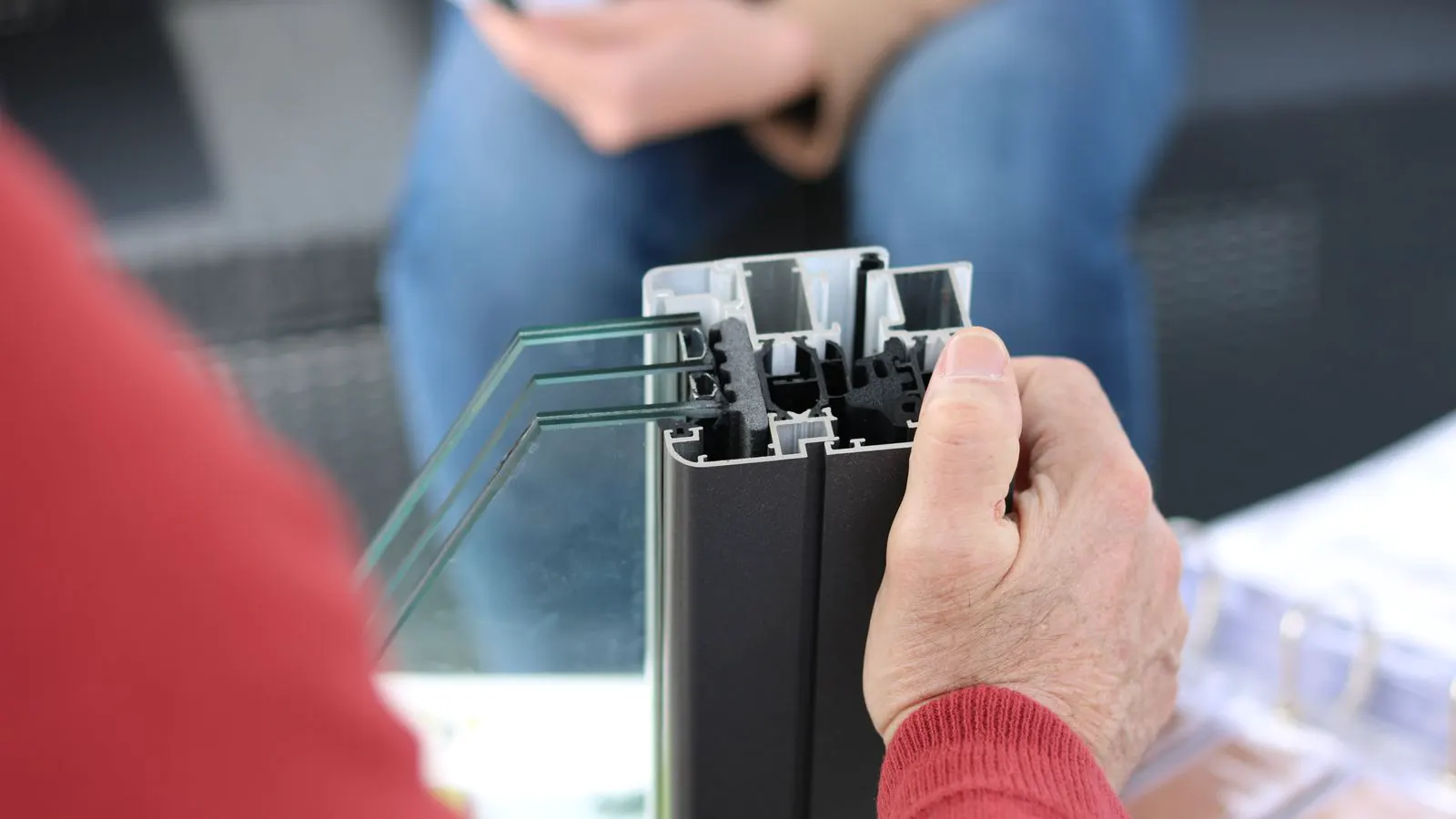
Before you contact a single vendor, document your technical requirements in a single specification sheet. This document becomes your baseline for comparison. Include the cross section drawing with all critical dimensions. Mark tolerance classes on specific features. Do not assume the supplier will guess what matters.
List the material grade. Common choices include 6061, 6063, and 7075, each with different strength and corrosion characteristics. Specify the heat treatment condition, such as T5 or T6. State the surface finish. Anodized, clear coat, or bare metal each affects downstream processing. If the part goes into a tight mechanical interface, define the maximum deviation. A one millimeter tolerance on a non-critical flange is acceptable. A one millimeter tolerance on a mounting surface is not.
Step Two: Evaluate Supplier Capabilities and Certification
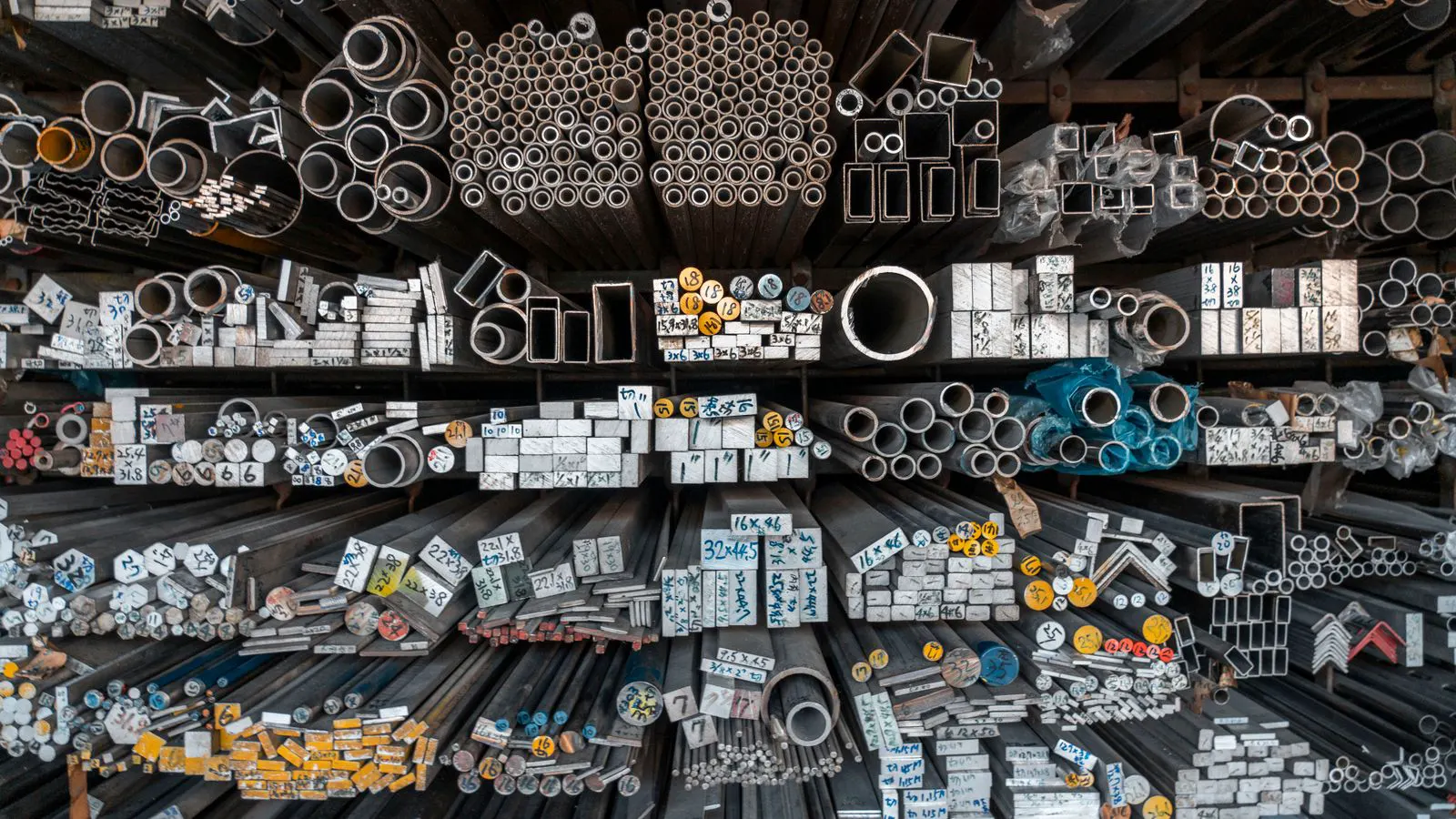
Not all extrusion facilities are built for custom work. Some specialize in long runs of standard profiles. Others handle complex, low-volume custom profiles with tight tolerances. You need to verify which type matches your project.
Ask for their current extrusion die inventory. If your profile is new, the supplier must manufacture a new die. This involves a die design phase, typically in a separate foundry or in-house machining shop. Ask how many custom dies they produce per year. A supplier with high custom volume has faster turnaround on new tooling. They also have a more refined process for handling die adjustments.
Request material certifications. Every batch of aluminum billet should carry a mill test report. This document confirms chemical composition and heat number. Without it, you cannot trace a defect back to the raw material. Ask how they store and manage heat lots. A large extrusion plant may store multiple heat numbers side by side. If your application requires strict traceability, ask if they can segregate heats by project.
Check their quality control setup. A basic facility has a micrometer and a visual inspection station. A stronger supplier has a CMM, or coordinate measuring machine, for verifying complex cross sections. Ask if they perform dimensional checks on every die run or only on samples. For critical applications, require CMM reports on the first article inspection.
Step Three: Review the Commercial Terms
Custom extrusion buying involves more than unit price. The total cost includes die cost, setup fees, and minimum order quantities. These factors change the math quickly.
Ask for the die cost separately from the extrusion cost. A high-quality tooling die is an asset. You should own the die or have clear terms for its use. If the supplier owns the die, you may pay a setup fee every time you reorder. If you own it, you avoid recurring costs but handle storage and logistics.
Clarify the minimum order quantity. Some suppliers require a minimum extrusion length to justify the production changeover. Others can handle short runs. Ask about the lead time for the die. A new die can take weeks from design to production. Factor this into your project schedule. Do not start the project until the die timeline is confirmed.
Step Four: Assess Communication and Technical Support
The supplier’s technical team is your first line of defense against production errors. You will send drawings. You will receive questions. You will need to make design changes. The quality of this exchange determines whether the project succeeds.
Ask for a named contact. A single point of contact reduces confusion. They should be able to read your drawings and explain the extrusion process. If they only send you a sales representative for technical questions, that is a warning sign. Sales teams sell. Engineers solve problems.
Test their response time. Send a simple technical question. Ask about a tolerance challenge on your profile. See how they respond. A good supplier will explain the trade-off between tight tolerance and production cost. A weak supplier will just say yes or no. You want a partner who can discuss the limits of the process.
Step Five: Request Samples and Verify Quality
Never release a full production run without a sample. This is the single most common mistake in custom profile sourcing. The sample verifies that the drawing was understood correctly. It also checks the surface finish and material behavior.
Order a first article sample. This is a specific part produced with the first batch of the die. The supplier should provide a dimensional report. Check the sample against your drawing. Measure the critical dimensions yourself. Do not rely only on their report.
Inspect the surface. Look for die marks, extrusion lines, or inconsistent anodizing. If the profile is for a visible application, the surface finish matters more than the dimensional report. A profile that fits perfectly but looks rough is a problem. A profile that looks good but has a loose tolerance is a worse problem.
Key Criteria for Evaluating Suppliers
| Criterion | What to look for | Why it matters |
|---|---|---|
| Material Traceability | Mill test reports and heat number segregation | Ensures consistent mechanical properties and allows defect tracking. |
| Die Ownership and Cost | Clear terms on tooling ownership and setup fees | Prevents unexpected costs on reorder cycles. |
| Quality Inspection | CMM access and first article inspection | Verifies that the profile matches the drawing exactly. |
| Technical Support | Named contact and engineering communication | Speeds up design changes and solves production issues. |
| Lead Time | Realistic timeline for die and production | Protects your project schedule from delays. |
Step Six: Make the Final Decision
Use a structured checklist to compare the top two or three suppliers. This removes emotion from the decision. You are buying a process, not just a part. The supplier with the lowest price often has the highest hidden cost.
Ask yourself the following questions before signing:
- Do I have the mill test report for the specific heat number?
- Is the die cost included in the quote or separate?
- Did I receive a first article inspection report?
- Can the supplier explain the tolerance limits on my drawing?
- Is the lead time realistic for my project deadline?
If you cannot answer all five questions with a yes, do not proceed. You can wait for a better supplier. You cannot easily replace a part that does not meet your specification. The cost of rework or a delayed launch is far higher than the cost of taking extra time to vet the vendor.
Final Checklist
Before you release the purchase order, confirm the following. This final review catches the most common errors in custom extrusion buying.
- The profile drawing is version controlled and approved.
- Material grade and heat treatment condition are specified.
- Tolerance classes are marked on all critical dimensions.
- Surface finish requirements are documented.
- Die ownership terms are agreed upon.
- A first article sample was inspected and approved.
- The supplier has provided material certifications.
- The lead time fits your production schedule.
- A named technical contact is assigned.
- The payment terms match your internal policy.
This process takes time. It is worth the investment. A well-chosen supplier reduces risk and simplifies the rest of your supply chain. A poorly chosen supplier creates a chain of problems that are expensive to fix. Use this guide to protect your project and your budget.
Frequently asked questions
How long does it take to get a custom extrusion die ready?
It typically takes several weeks. The timeline depends on the complexity of the cross section and the supplier's current workload. You should ask for a firm schedule before starting.
Do I need to own the extrusion die?
It is not required. You can rent the die or pay a setup fee per order. Owning the die is usually better if you plan to reorder the profile regularly.
What is a first article inspection?
It is a detailed check of the first unit produced with a new die. The supplier measures the part and compares it to your drawing. You approve the sample before mass production begins.
Can a supplier change my profile design?
Yes, but only if you agree. A good supplier will flag design issues that affect extrusion quality, such as thin walls or sharp corners. They will propose changes that improve the part.
How do I verify the material quality?
Request the mill test report for each heat number. This document confirms the alloy composition. You can also ask for a hardness test report to verify the heat treatment condition.