Custom extrusion manufacturing is shifting toward greater automation, tighter material traceability, and more complex multi-part assemblies. Buyers should plan for these changes by updating specifications, demanding digital documentation, and evaluating supplier flexibility early.
- Custom extrusion manufacturing is moving toward higher automation and tighter digital traceability.
- Buyers should prepare by updating specifications and demanding digital quality documentation.
- Material availability and sustainability requirements are changing how suppliers structure their operations.
- Multi-part assembly and post-processing capabilities are becoming standard expectations.
- Early supplier evaluation and open communication will reduce risk in complex projects.
What Changes Are Actually Happening in the Mill
The production floor is changing, even if the final part looks similar to what you bought five years ago. Modern extrusion lines are incorporating more automation, better data capture, and tighter process controls. A supplier that once relied on a single experienced operator per shift now tracks temperature, pressure, and speed with software systems that log every change. The die change log now includes a timestamp and the operator ID. The heat number is scanned into the batch record before the first profile leaves the die.
This shift is driven by two pressures. Buyers want tighter tolerances and more consistent finish quality. At the same time, labor costs and turnover make it harder to keep highly skilled operators on every shift. The result is a supplier that produces with more digital oversight and less manual judgment. When a parameter drifts outside the set range, the system flags the deviation before the first defective profile is cut.
For buyers, this means quality is becoming more data-driven. A supplier can show you exactly when a die was changed, what heat number was used, and what surface finish parameters were set. If you have a history of receiving parts that fail inspection, this kind of documentation helps you trace the issue back to the actual production step. You no longer guess whether the problem originated in melting, extrusion, or cooling. You look at the log. You find the shift. You identify the heat.
How Material Availability Is Reshaping Custom Manufacturing
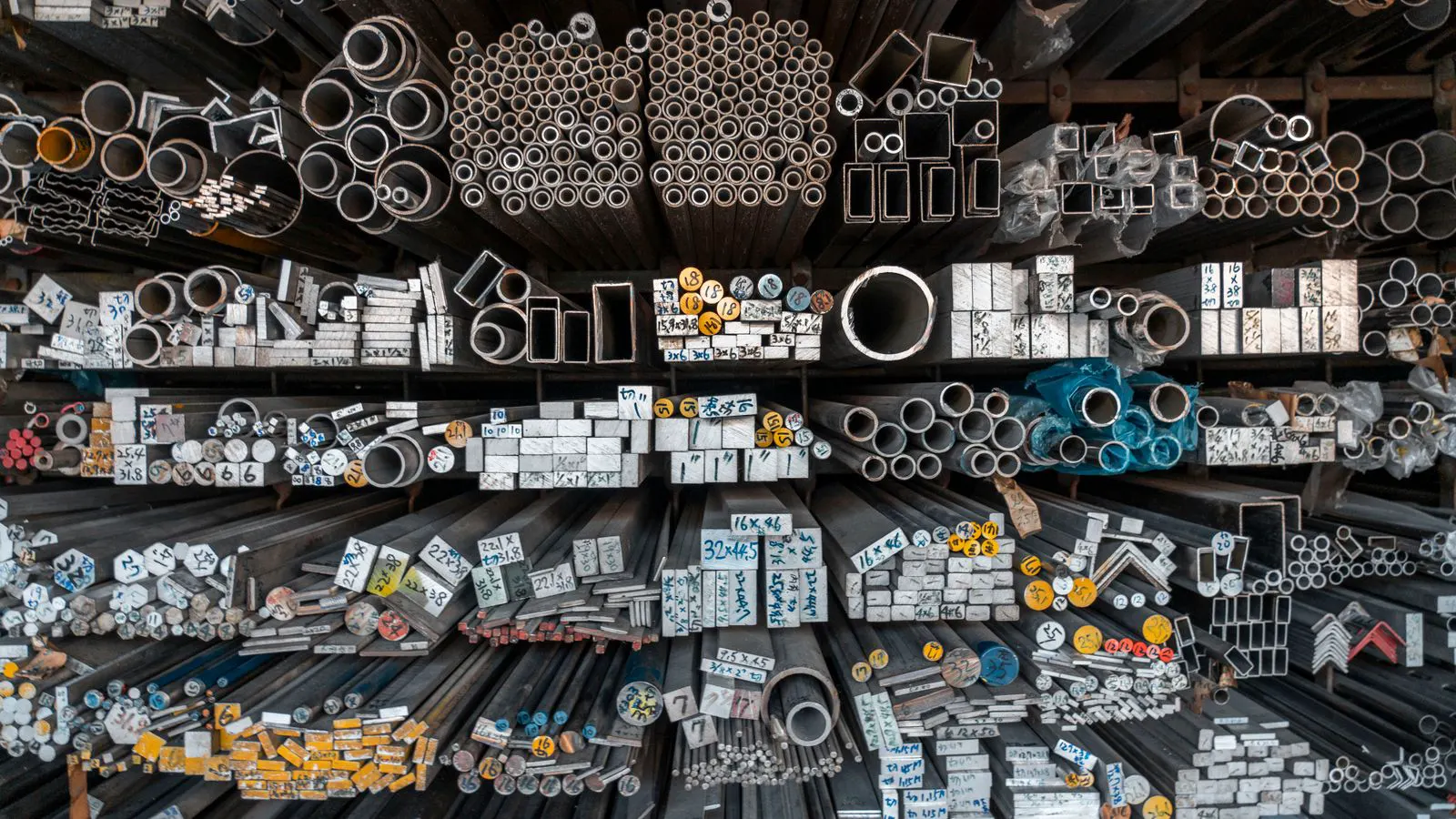
Aluminum extrusion depends on stable material supply. When raw material prices move, or when a specific alloy becomes harder to source, suppliers adjust. Some mills switch to substitute alloys. Others change their die schedules to reduce changeover costs. A mill that previously ran 6061-T6 for three weeks might now alternate with 6063 to balance demand and inventory levels.
Buyers are seeing more suppliers ask for longer lead times or larger minimum orders. This is not always a red flag. It often reflects the reality that small, frequent orders are harder to produce efficiently when material supply is tight. A supplier that can hold stock for you, or that has a reliable secondary source for 6061 or 6063, becomes more valuable. If you need a specific alloy grade for a structural application, confirm whether the supplier sources from multiple mills or relies on a single extruder.
Sustainability requirements are also entering the conversation. Some buyers now ask for recycled aluminum content or documentation of the mill’s energy sources. A supplier that can answer these questions clearly is better positioned than one that cannot. In regulated markets, the origin of the raw material can affect compliance. A supplier that tracks the percentage of recycled content in each heat and can provide the relevant documentation gives you a cleaner audit trail.
If your project uses a specialty alloy or a thin-walled profile with tight tolerances, confirm material availability before committing. Ask which mills they source from and whether they have backup options. This is especially true if your part ships to a regulated market or a high-volume assembly line. A sudden alloy substitution can change mechanical properties or surface behavior, causing failures that are difficult to diagnose.
Automation and What It Means for Your Part
Automation in extrusion manufacturing is not just about speed. It is about repeatability. A computer-controlled extrusion press holds pressure more consistently than a manual setup. A laser cutting system produces cleaner edges than a band saw. A robotic loading system places profiles into the furnace more carefully than a forklift operator. The press controller now logs the exact tonnage applied during each cycle.
The practical effect is that suppliers can hold tighter tolerances on complex profiles. If your design has multiple internal cavities, thin walls, and tight surface finish requirements, a highly automated line is more likely to meet those demands consistently. The die alignment is checked by sensors during the run. The cooling bath temperature is monitored at multiple points along the profile length.
However, automation also changes how suppliers handle small batches. A highly automated line is optimized for medium and large runs. If you need twenty pieces of a new profile, the changeover cost is higher than if the line is set up for five hundred. A supplier that can balance automation with flexibility becomes a better partner for development work. They may use a smaller press or a manual setup for initial prototypes before moving to the main line for production.
Post-Processing and Assembly as a Value-Add
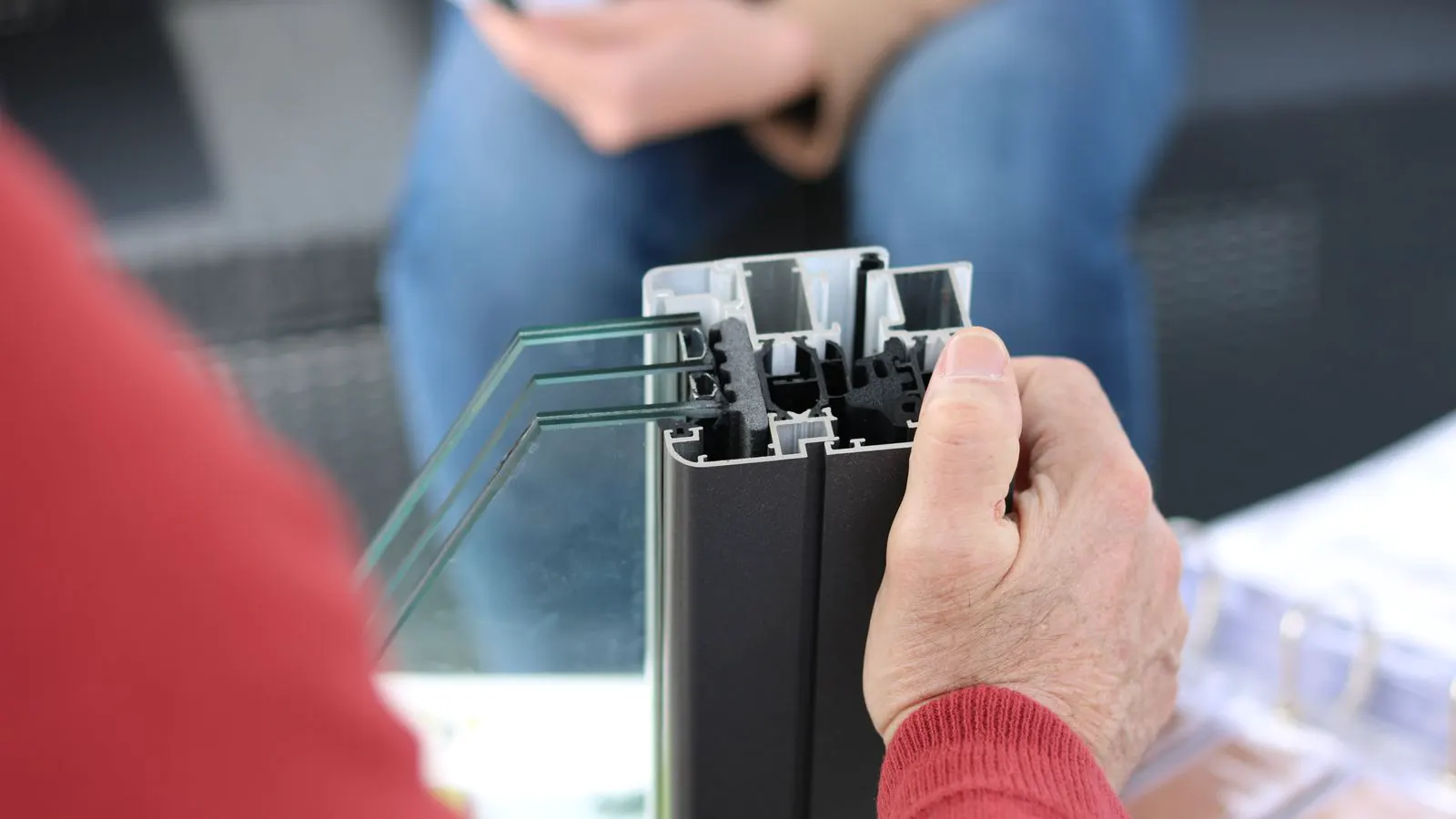
Fewer buyers want a bare extrusion today. More want a finished, ready-to-install component. This shift is pushing suppliers to add post-processing and assembly services to their core offerings. A bare profile requires you to coordinate cutting, drilling, and surface treatment with multiple vendors. A finished component reduces that coordination burden and places responsibility on a single supplier.
Common value-add services include:
- Surface treatment, such as anodizing, powder coating, or mechanical finishing
- Cutting and drilling
- TIG or MIG welding of extrusion assemblies
- Assembly with fasteners, gaskets, or seals
- Packaging and kitting for direct line delivery
When you buy a finished component rather than a raw profile, the supplier takes on more responsibility. They must control the entire chain. A small change in anodizing thickness or a misaligned weld can affect the final part. This is why it helps to specify post-processing requirements clearly in your drawing. Define the coating type, thickness range, color standard, and edge treatment. If the weld procedure is critical, specify the procedure number and the required post-weld inspection.
For complex assemblies, a supplier that can handle welding and mechanical finishing in one location reduces handling and inspection cycles. You get one quality gate instead of three. You also get one point of contact when a problem appears. This simplifies your supply chain and improves your ability to manage changes. If a part dimension changes, you update the drawing once, and the supplier updates the cutting, welding, and finishing processes in a controlled manner.
What Documentation and Traceability Look Like Going Forward
Buyers are asking for more documentation. This is not just about the mill certificate. It is about the full production record. A modern extrusion supplier should be able to provide:
| Document Type | What It Shows |
|---|---|
| Mill certificate | Alloy, heat number, mill of origin |
| Die change log | When the die was changed and by whom |
| Process parameters | Temperature, speed, and pressure during extrusion |
| Inspection reports | Dimensional checks and surface finish measurements |
| Post-processing records | Coating thickness, weld procedures, and operator records |
| Non-conformance reports | How deviations were handled and what corrective action was taken |
This documentation is becoming a standard expectation. It helps you qualify the supplier for regulated industries and it gives you a trail if a field failure occurs. If a batch of profiles shows inconsistent hardness, you can check the heat number and compare it against the mill certificate. If a surface defect appears, you can review the process parameters to see if the cooling speed was outside the normal range.
If a supplier cannot provide this level of detail, that is a signal. It may mean their processes are not as controlled as they claim, or it may mean they are not used to serving buyers who need traceability. Either way, it is worth discussing early in the qualification process. Request a sample production record during your audit. See how the data is captured, who accesses it, and how long it is retained.
How to Prepare Your Team for These Shifts
Preparing for these trends does not require a large budget. It requires a change in how you specify, evaluate, and communicate with suppliers. Start by reviewing your current specifications. Are they detailed enough to support the level of quality you need? If your drawing says “standard finish” but your part requires a specific surface texture, the supplier cannot guess. Write the requirement. Define the finish class, the surface roughness range, and the acceptable color variation.
Next, evaluate your top suppliers on their ability to handle complex, multi-service parts. If you have been buying bare profiles from one mill and surface treatment from another, ask whether a single supplier can deliver the finished component. This reduces coordination and gives you one quality owner. It also makes it easier to manage changes. If you need to adjust a dimension or update a surface treatment, you send one revision to one supplier rather than coordinating multiple vendors.
Finally, build relationships with your suppliers. Ask how they handle material shortages. Ask how they manage die changes. Ask how they document non-conformance. The answers will tell you more about their operational maturity than any brochure can. A supplier that can explain their process in plain terms and provide evidence of control is more reliable than one that only provides marketing materials.
The suppliers who will serve you well in the next several years are the ones that combine technical capability with clear communication and digital traceability. They will not be the cheapest, but they will be the most reliable.
What to Watch in the Next Several Years
- Tighter tolerance requirements on complex profiles
- Greater demand for recycled and low-carbon aluminum
- More integrated post-processing and assembly services
- Digital quality records as a standard requirement
- Shorter lead times through better supply chain planning
These shifts are already visible. They will become more pronounced as buyers demand more from their suppliers. The early movers will be the ones that update their specifications, qualify their suppliers thoroughly, and build long-term partnerships rather than transactional relationships.
Frequently asked questions
What is the most common documentation gap buyers face when qualifying an extrusion supplier?
The most common gap is a missing die change log. Buyers often have the mill certificate but not the record of when the die was changed during production.
How do I know if a supplier can handle small batch custom extrusion?
Ask about their minimum run size and changeover process. A supplier that uses a highly automated line may have a higher minimum order quantity than one that can manually adjust the press.
What should I specify for surface finish on a custom extrusion?
Specify the finish type, thickness range, and any color or texture requirements. Use standard references where possible to avoid ambiguity.
Is it better to buy a bare profile or a finished assembly from the same supplier?
A finished assembly from one supplier reduces handling and gives you one quality owner. It is usually better for complex parts, but a bare profile may be cheaper for simple, high-volume work.
How do I handle material availability issues when planning a custom extrusion project?
Confirm the alloy and heat number early. Ask the supplier about backup mills and whether they can hold stock. Build a buffer into your timeline for long-lead materials.