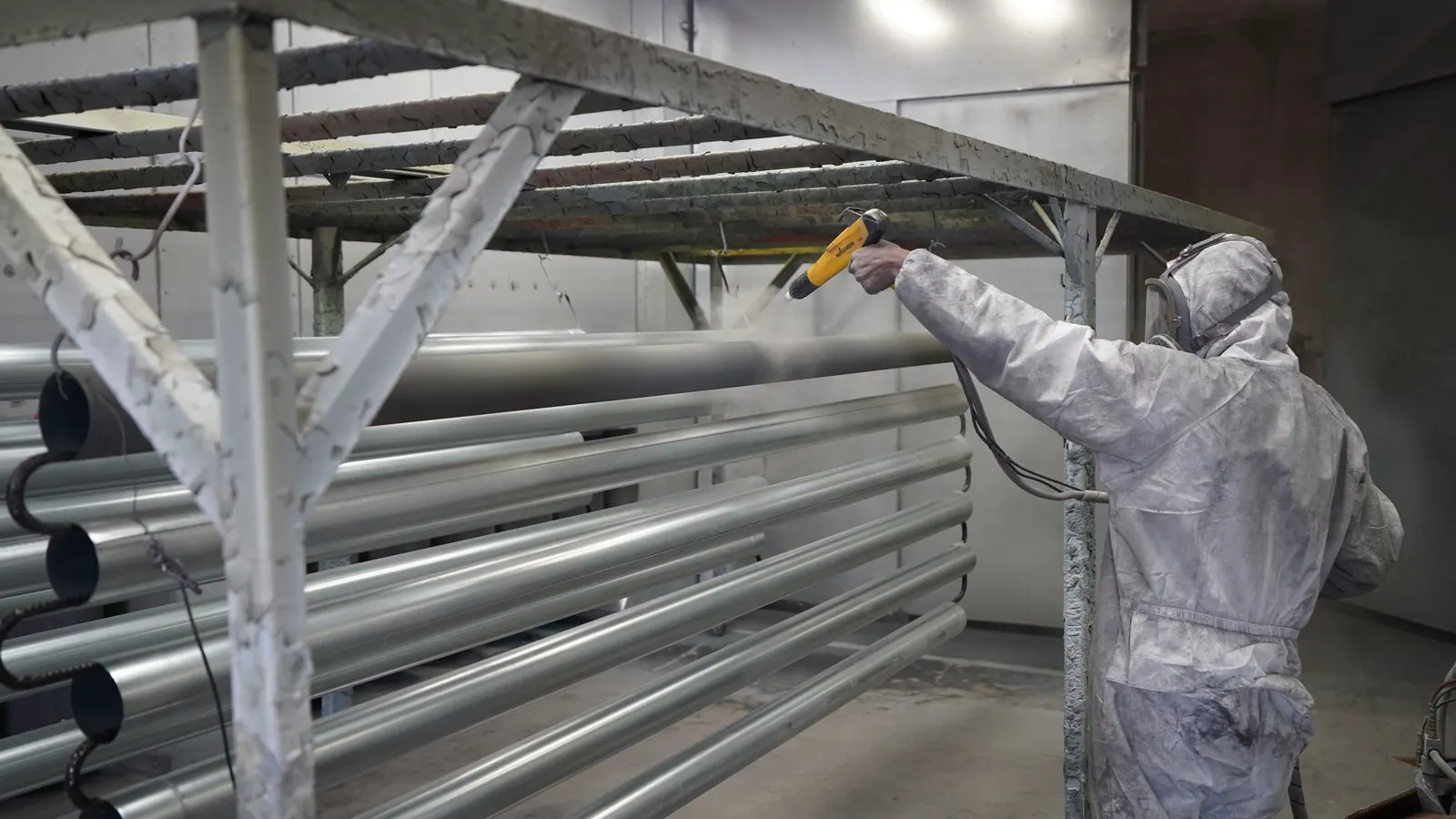
Emerging technologies are shifting aluminum extrusion surface treatments toward durable, lower-impact options. Buyers should prepare for stricter environmental standards, longer-lasting finishes, and stricter documentation requirements in near future procurement.
- Shifts in coating chemistry are moving buyers toward more durable, lower-maintenance finishes that reduce long-term replacement costs.
- Environmental compliance is becoming a primary driver for coating selection, pushing specifications toward lower-impact processes.
- Surface finish quality now depends heavily on upstream preparation and documentation, not just the final coating step.
- Design standards are evolving to require clearer data on coating longevity, maintenance, and environmental impact.
- Early involvement of surface treatment providers during engineering helps avoid costly rework and specification gaps.
What Is Driving Change in Aluminum Extrusion Surface Coatings
Extrusion surface treatment is moving beyond simple protection. Buyers are no longer treating coatings as an afterthought. They are designing them as part of the structural and environmental logic of the component.
The pressure comes from several directions at once. Architectural codes are tightening. Maintenance windows are shrinking. Customers are asking for longer service life without more frequent touch-ups. Manufacturers are responding with coatings that resist staining, fade, and chemical attack over longer periods.
For buyers, the practical result is a shift in how they write specifications. Old specs focused on color, gloss, and minimum thickness. New specs are adding service life expectations, environmental declarations, and maintenance data.
This is where extrusion coating trends become a sourcing issue, not just a cosmetic one.
Sustainable Coatings Are Moving From Option to Expectation
Sustainable coatings are now a major factor in procurement. The shift is not just about paint color or finish preference. It is about the chemistry, energy use, and end-of-life handling of the coating process.
Buyers are increasingly asking for documentation of solvent use, wastewater treatment, and raw material sourcing. Some specifications now require suppliers to confirm that a coating process meets specific environmental thresholds.
There are two main paths here. One is process-based sustainability, where the coating method uses lower-impact chemistry or closed-loop water systems. The other is material-based sustainability, where the coating itself is designed for durability, reducing the need for recoating over the product life.
For extrusions, durability is the easier path to communicate. A coating that lasts longer reduces the frequency of replacement and the total resource load over time.
Buyers should prepare for more suppliers to offer environmental product declarations or process summaries. These documents will become standard in RFPs, especially for commercial and public projects.
Advanced Surface Finishes Are Extending Service Life
Advanced surface finishes are changing what buyers can expect from a coating. The goal is not just a better appearance. It is a longer period between maintenance events.
The practical effects show up in three areas.
First, resistance to staining and water spotting is improving. Older clear anodized profiles in coastal or industrial areas often needed frequent cleaning. Newer processes are better at resisting the buildup of mineral deposits and airborne pollutants.
Second, color stability is improving. UV exposure and temperature cycles can cause color shift over time. Better coating systems are holding their tone longer, which matters for facades, railings, and architectural panels that are visible for decades.
Third, scratch and abrasion resistance is being addressed. Many extrusions are installed in high-contact areas. Doors, handles, railings, and furniture see daily wear. Coatings are being engineered to hold up under that contact without showing wear quickly.
For design teams, this changes the maintenance plan. A profile that held up for fifteen years may now be specified for twenty. That is a meaningful shift in lifecycle analysis.
How Buyers Should Plan for New Coating Data Requirements
The biggest practical change is not the coating itself. It is the data that comes with it.
Buyers are moving toward specifications that require suppliers to provide more than a color sample and a thickness report. The request list is growing.
Common items now include:
- Coating process description and certification status
- Estimated service life under stated conditions
- Maintenance guidance and recommended cleaning methods
- Environmental impact summary or process declaration
- Compatibility notes with other materials in the assembly
- Sample approval protocol and acceptance criteria
This is not a small change. It changes how engineering and procurement work together. The surface treatment decision now needs to be made earlier, because the data must be built into the design file.
Buyers should update their specification templates to reflect this. If a new project requires a coating data pack, the supplier must be involved at the design stage, not after the profile is already drawn.
A practical step is to create a short checklist for surface treatment requirements. That checklist should be part of the initial engineering review. It prevents late-stage changes and gives the supplier enough information to propose a realistic finish.
What This Means for Design Standards and Sourcing
The shift in extrusion coating trends is changing design standards in two ways.
The first is that surface treatment is being treated as a performance system. It is not just a finish. It is a component of the product that must meet defined service conditions.
The second is that sourcing is becoming more data-driven. Buyers are moving from visual approval to specification approval. A coating is not accepted because it looks right in a sample. It is accepted because it meets the written requirements for service life, maintenance, and environmental performance.
This affects both domestic and international sourcing. Buyers are more likely to favor suppliers who can document their process and provide consistent data. A supplier who can explain the coating system clearly and provide the required documents has an advantage over one who only offers a color chart.
For design teams, the implication is that surface treatment decisions need to be made with the same rigor as structural decisions. The coating is part of the performance envelope.
How to Prepare for the Next Cycle of Coating Changes
Preparation is simple in principle. It requires earlier decisions and clearer documentation.
The first step is to revisit existing specifications. Many current specs focus on appearance and minimum thickness. They do not address service life, maintenance, or environmental data. Updating these documents now prevents rework later.
The second step is to define maintenance expectations early. A coating that requires annual cleaning is a different product from one that needs cleaning every three years. The difference affects lifecycle cost and user experience.
The third step is to involve surface treatment providers earlier in the design process. A coating system that works well on one profile may not work well on another, depending on geometry, finish, and installation environment. Early involvement reduces surprises.
The fourth step is to build a sample approval protocol. This should define what is acceptable, how samples are evaluated, and who approves the final match. This reduces disputes and rework.
The fifth step is to track supplier capability. If a supplier cannot provide the data your specification requires, that is a sourcing signal. It is not a minor gap. It is a sign that the supplier may not be able to meet the new expectations of the project.
Buyers who prepare now will have a smoother process. They will have clearer specifications, fewer late-stage changes, and a stronger position when evaluating suppliers.
Surface Treatment Planning Checklist
The table below summarizes the key areas buyers should address when planning for the next cycle of extrusion coating requirements.
| Area | What to Define | Why It Matters |
|---|---|---|
| Service life | Target years and exposure conditions | Drives coating selection and maintenance plan |
| Maintenance | Cleaning method, frequency, and limitations | Affects lifecycle cost and user experience |
| Environmental data | Process declaration or impact summary | Required in many procurement specifications |
| Sample approval | Evaluation criteria and sign-off process | Reduces disputes and rework |
| Supplier documentation | Required data pack and format | Ensures the supplier can meet the specification |
| Compatibility | Interaction with other materials in the assembly | Prevents installation and performance issues |
Frequently asked questions
What is the biggest shift in aluminum extrusion surface coatings?
The biggest shift is the move from appearance-based selection to performance-based selection. Buyers now expect coatings to meet service life, maintenance, and environmental data requirements, not just match a color.
Are sustainable coatings already standard in procurement?
They are becoming standard, especially in commercial and public projects. More RFPs now require environmental documentation or process declarations, so buyers should prepare for this to be a baseline requirement.
What does "advanced surface finish" mean in practice?
It usually means a coating that resists staining, fading, and abrasion better than older systems. The practical result is a longer period between cleaning or recoating, which changes maintenance planning.
How early should surface treatment be involved in design?
As early as possible. The coating decision affects geometry, data requirements, and supplier selection. Waiting until the drawing stage often leads to rework and specification gaps.
What should buyers add to their current specifications?
Add service life expectations, maintenance guidance, environmental data requirements, and a sample approval protocol. These items turn the coating from a visual choice into a documented performance requirement. ===END===