Polymer coatings and anodizing serve different performance needs. Coatings offer broad color choices and added thickness, while anodizing provides a hard, wear-resistant native layer. Selection depends on the specific environment, aesthetic, and mechanical requirements of the extrusion.
- Polymer coatings add a physical layer for color and protection, while anodizing converts the aluminum surface itself.
- Choose anodizing for high wear resistance and a metal-like appearance in architectural or industrial settings.
- Select polymer coatings when specific colors, gloss levels, or extra corrosion barriers are required.
- Surface preparation determines the final performance and appearance of both treatment methods.
How Polymer Coating and Anodizing Differ
Polymer coating and anodizing are the two dominant surface treatment methods for aluminum extrusions. They work on fundamentally different principles. Anodizing is an electrochemical process that grows a hard oxide layer directly on the metal. Polymer coating applies a separate material, such as paint or ceramic powder, onto the surface.
This difference drives every other consideration. Coatings can be any color and finish. Anodizing is limited to the shade of the oxide layer, which is usually clear, tinted, or black. Coatings offer a physical barrier that can be thicker than the native oxide. Anodizing relies on the chemical bond between the oxide and the base metal.
When comparing these two methods, it helps to understand what is actually happening at the atomic level. Anodizing uses the aluminum extrusion as the anode in an electrolytic bath. An electric current causes aluminum atoms to lose electrons and bond with oxygen from the solution. The result is a porous oxide layer that is integrated with the substrate. This layer is typically several microns thick, depending on the alloy and the voltage used. Because it grows from the metal itself, the bond is extremely strong. It will not peel or flake, even under severe mechanical stress.
Polymer coating, by contrast, is a physical adhesion process. A layer of synthetic resin, pigment, and filler is deposited onto the clean surface. The bond depends on the cleanliness of the substrate and the chemical compatibility of the primer or adhesion promoter. If the surface is not perfectly clean, the coating can lift or blister over time. The thickness of a polymer layer is usually measured in microns as well, but it often exceeds the thickness of a standard anodic finish. This extra bulk provides a distinct advantage in impact resistance and corrosion isolation, provided the coating remains intact.
Comparison of Surface Treatment Options
The table below outlines the key characteristics of the main options available for aluminum extrusions.
| Option | Best for | Limitations |
|---|---|---|
| Anodizing | High wear, abrasion, and chemical resistance with a metallic look | Limited color range, thickness constraints, requires clean substrate |
| Powder Coating | Vibrant colors, thick protective layers, and decorative finishes | Can chip or crack if not applied correctly, adds weight |
| Liquid Paint | Specific gloss levels, custom colors, and repairability | Thinner barrier, more sensitive to application defects |
| Extrusion Coating | Continuous production, consistent finish, and integrated color | Limited to specific colors, requires specialized equipment |
Each option has distinct strengths that align with specific project needs. Anodizing is the go-to choice for parts that must retain a metallic appearance while withstanding abrasive wear. It is common in automotive components, industrial machinery, and high-end architectural profiles where the raw look of the metal is desired. The process is highly repeatable, and the resulting finish is consistent across large batches of parts.
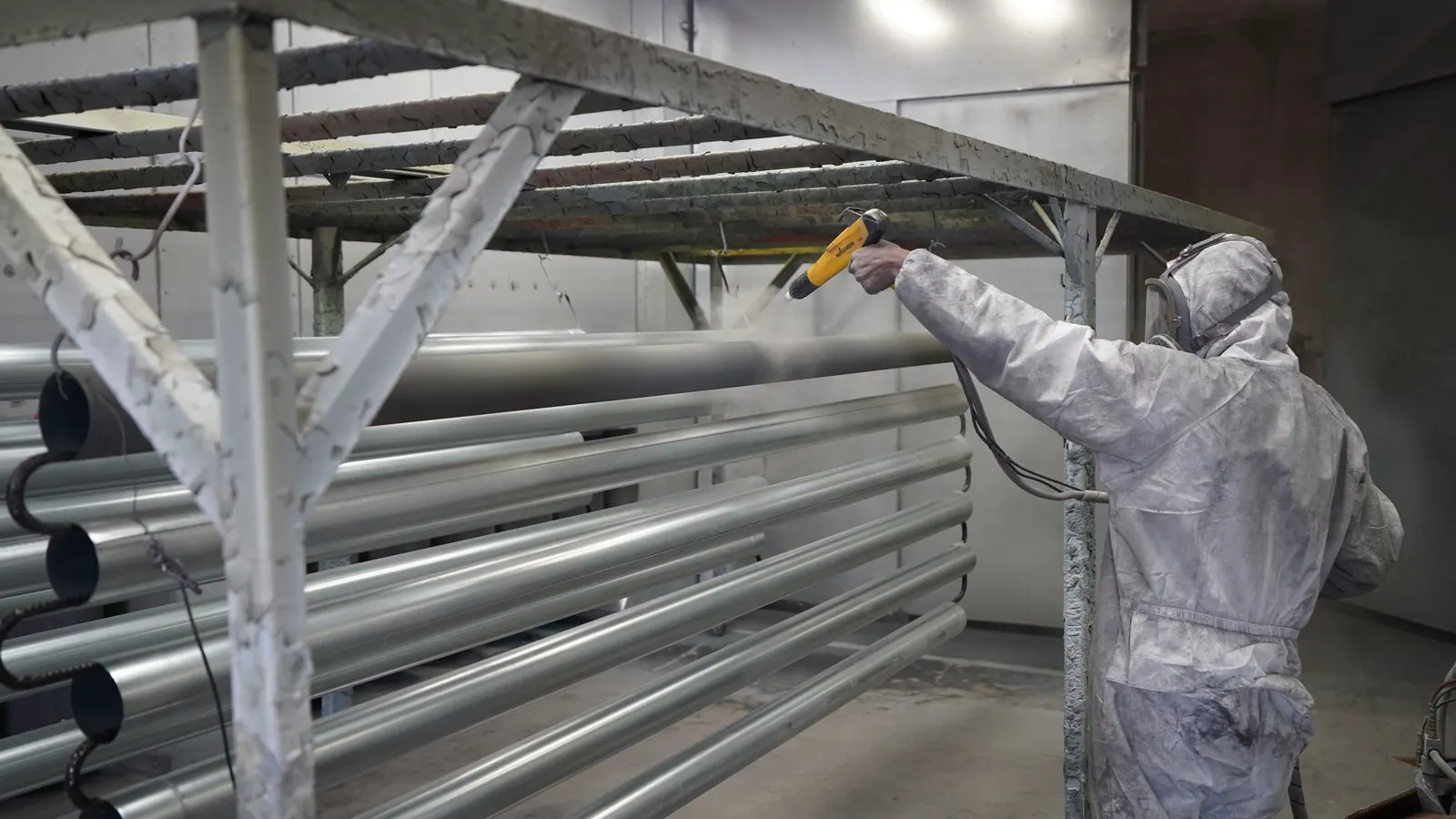
Powder coating is the industry standard for color and protection. The application method, which involves spraying electrostatically charged powder onto a grounded part, allows for very thick and even coats. This is particularly useful for complex shapes where gravity would cause liquid paint to run. The cure process involves melting the powder into a solid film. The result is a finish that is harder than liquid paint and more resistant to chemicals and abrasion.
Liquid paint is used when specific gloss levels or subtle color variations are required. It offers a high level of flexibility in terms of texture and finish. However, it is more sensitive to environmental conditions during application. Dust, humidity, and temperature fluctuations can affect the quality of the cure. Because the film is thinner, it is less durable than powder coating in high-abrasion environments.
Extrusion coating is a specialized method where the coating is applied directly to the metal as it leaves the die. This is highly efficient for continuous production lines, such as those producing long architectural profiles. It eliminates the need for separate handling and storage of the extruded parts before treatment. However, it is limited to a smaller palette of colors and requires specialized equipment that is not commonly found in general fabrication shops.
When to Choose Anodizing
Anodizing remains the standard for applications that demand durability and a natural metal aesthetic. It is the preferred choice for architectural mullions, structural profiles, and machinery parts that face mechanical stress. The oxide layer formed is harder than the base aluminum. This provides excellent resistance to scratches, abrasion, and chemical attacks.
For most architectural applications, a clear anodized finish is common. It preserves the silver color of the metal while protecting the profile from UV degradation and moisture. Tinted anodizing offers subtle variations, such as gold, bronze, or gray. Black anodizing is often used for a uniform, dark appearance. The ability to produce these colors without applying a separate pigment layer makes anodizing an attractive option for projects that require a monolithic look.
The process is sensitive to the state of the surface. Any contamination, such as oils, dirt, or machining marks, will be trapped under the oxide layer. This makes pre-treatment cleaning a non-negotiable step. The final hardness of the anodic layer depends on the alloy composition and the process parameters used. For example, 6061 aluminum, a common architectural alloy, produces a harder and more durable anodic layer than 6005. The voltage used during the anodizing process also plays a significant role. Higher voltages produce thicker oxide layers, which offer better protection but can affect the clarity of the finish.
Anodizing is also preferred for parts that are exposed to harsh chemical environments. The oxide layer is highly resistant to acids, alkalis, and cleaning agents. This makes it ideal for marine applications, chemical processing equipment, and industrial machinery. The finish does not degrade over time due to UV exposure, which is a significant advantage over some polymer coatings that can fade or chalk.
When to Choose Polymer Coating
Polymer coatings are selected when the project requires specific colors, gloss levels, or enhanced corrosion protection that anodizing cannot provide. Powder coating is the most common method for this purpose. The powder is applied via electrostatics and then cured in an oven. The result is a tough, plastic-like finish that is highly resistant to chips, scratches, and weathering.
The color palette for powder coating is vast. It covers standard RAL colors and custom mixtures. This makes it ideal for commercial buildings, furniture, and industrial equipment where branding or design consistency is a priority. The coating thickness is typically greater than the oxide layer of anodizing. This extra bulk provides a better physical barrier against corrosion. For instance, a powder coat can be applied to a thickness of over 150 microns, which is significantly thicker than a standard Type II anodic layer.
The process involves several steps. The part is first cleaned and degreased to remove any contaminants. It may also be etched to improve adhesion. The powder is then applied using a spray gun. The electrostatic charge causes the powder to adhere to the metal surface. The part is then placed in a curing oven, where the powder melts and hardens into a continuous film. The curing time and temperature vary depending on the type of powder and the desired finish.
Liquid paint offers similar color options but with different performance characteristics. It allows for finer control over gloss and texture. However, the barrier thickness is usually thinner than powder coating. This makes liquid paint more susceptible to wear in high-traffic areas. It is often used for decorative accents or parts that do not face heavy mechanical stress. The application of liquid paint can be more precise, allowing for fine lines and detailed patterns.
Performance Considerations for Extrusions
The choice between anodizing and polymer coating also depends on the service environment. Outdoor architectural profiles require resistance to UV radiation, rain, and temperature fluctuations. Both treatments offer good performance here, but anodizing is more resistant to chemical cleaning agents. This is significant for buildings that require regular facade maintenance.
For indoor applications, such as furniture or display fixtures, the aesthetic requirements are often more prominent. Polymer coatings allow for a wide variety of finishes, from matte to high gloss. Anodizing provides a consistent, metallic sheen that can look dated in some design contexts. The choice of finish can significantly impact the overall appearance of the product. A matte powder coat can provide a modern, understated look, while a high-gloss anodized finish can add a touch of elegance.
Corrosion resistance is a critical factor in harsh environments, such as coastal areas or industrial zones. A well-applied polymer coating can outperform anodizing in salt spray testing. The physical barrier prevents moisture from reaching the aluminum. However, if the coating is damaged, the underlying metal is exposed to rust-like corrosion. Anodizing does not have this vulnerability because the oxide is part of the metal. If the anodic layer is scratched, the exposed aluminum will corrode, but the surrounding oxide remains intact. This self-healing property of anodizing is a key advantage in abrasive environments.
Thermal expansion is another consideration. Aluminum expands and contracts with temperature changes. Anodizing, being part of the metal, expands and contracts with the substrate. Polymer coatings, being a separate material, have a different coefficient of thermal expansion. This difference can lead to stress in the coating, which may cause cracking or peeling over time. This is particularly relevant for parts that experience significant temperature fluctuations, such as those used in automotive or aerospace applications.
Surface Preparation and Application Quality
The quality of the final surface is determined before the coating or anodizing process begins. For polymer coatings, the extrusion must be free of oils, dust, and oxidation. This often involves degreasing and etching. For anodizing, the surface must be mechanically cleaned to remove any mill finish or machining debris.
Defects in preparation lead to visible problems in the final product. For polymer coatings, this manifests as pinholes, runs, or uneven color. For anodizing, it results in pitting, uneven thickness, or discoloration. A thorough inspection of the extrusion before treatment is a standard practice in quality control. Inspectors check for oil residue, dirt, and surface scratches. Any defects found are corrected before the part enters the treatment process.
The application environment also matters. Powder coating requires a controlled environment to prevent dust contamination during curing. Anodizing requires precise control of temperature, chemistry, and current. Deviations from the specified process parameters can reduce the performance of the treatment. For example, if the electrolyte concentration in the anodizing bath is incorrect, the oxide layer may be porous or uneven. This can compromise the corrosion resistance of the finish.
Maintenance and Longevity
Anodized extrusions are generally low maintenance. They do not require repainting or recoating. The oxide layer is permanent and does not peel or flake. If the surface is scratched, the underlying aluminum is exposed, but the anodized layer around the scratch remains intact. This makes the finish very durable over the life of the structure. The durability of the anodic layer depends on the alloy and the process parameters used, but it is generally very long-lasting.
Polymer coatings require more attention. They are susceptible to chipping, cracking, or peeling if the underlying substrate moves or if the coating is subjected to harsh chemicals. When damage occurs, touch-up or recoating is necessary. This adds to the long-term cost of ownership. However, the initial cost of a polymer coating can be lower than that of anodizing, depending on the color and finish. The total cost of ownership should be considered when selecting a surface treatment method.
The maintenance requirements of a surface treatment also depend on the application. For example, an architectural facade that is exposed to rain and UV radiation may require regular cleaning. An anodized finish will withstand this cleaning better than a polymer coating, which may be sensitive to harsh detergents. The choice of cleaning agents and methods should be compatible with the surface treatment used.
Cost and Lead Time Factors
The cost of surface treatment varies based on the volume, complexity, and type of finish. Anodizing is generally considered a standard process with established pricing. The cost is often driven by the surface area and the thickness of the oxide layer. For high-volume production, anodizing can be cost-effective due to its efficiency and consistency.
Polymer coatings, particularly custom-colored powder coatings, can be more expensive. The cost increases with the complexity of the color mixture and the required thickness. Lead times can be longer for custom colors, as the powder must be mixed and cured. Standard colors are usually available in inventory, which speeds up production. The choice of coating method should be based on a balance of cost, performance, and lead time requirements.
For high-volume production, extrusion coating can be an efficient option. It allows the coating to be applied directly on the extrusion line. This reduces handling and storage time. However, it limits the color options to those already set up on the line. The choice of coating method should be based on the specific requirements of the project, including volume, complexity, and desired finish.
Final Selection Guide
The decision between polymer coating and anodizing should be based on the specific requirements of the project.
- Aesthetic Requirement: If a specific color or gloss is needed, choose a polymer coating. If a natural metal look is preferred, choose anodizing.
- Durability Requirement: For high abrasion and chemical resistance, anodizing is often superior. For general corrosion protection and a thick barrier, powder coating is effective.
- Maintenance Requirement: Anodizing requires minimal maintenance. Polymer coatings may need touch-ups or recoating over time.
- Application Environment: Outdoor architectural applications often favor anodizing for its chemical resistance. Decorative or indoor applications may favor polymer coatings for their color variety.
Understanding these factors allows for a practical selection that meets the performance and design goals of the project.
Frequently asked questions
Can anodizing be applied to any color?
Anodizing is limited to a small range of colors, typically clear, tinted, or black. It does not offer the broad color palette available with polymer coatings.
Which treatment is more resistant to scratching?
Anodized aluminum is generally more resistant to scratching because the oxide layer is part of the metal and is often harder than the base alloy.
Is powder coating better for outdoor use?
Both are suitable for outdoor use. Powder coating offers a thick physical barrier against corrosion, while anodizing provides excellent resistance to UV and chemical cleaning.
Can you apply a polymer coating over anodized aluminum?
Yes, it is possible to apply a polymer coating over an anodized surface, but the surface must be properly prepared to ensure adhesion. This is a specialized application.
Which option has a longer lifespan?
Anodized extrusions typically have a longer lifespan in terms of maintenance-free performance. Polymer coatings can last a long time but may require touch-ups if damaged.