Extrusion profile design determines price and lead time through material use, die complexity, cooling demands, and post processing. Simple geometries use less aluminum and extrude faster. Complex shapes require longer cooling, thicker walls, and more inspection, which raises cost and extends delivery schedules.
- Profile shape and wall thickness directly control material consumption, die complexity, and extrusion speed.
- Complex profiles with many cavities require longer cooling and more post processing, which raise cost and extend delivery time.
- Clear RFQs with drawings, tolerances, and finish requirements help suppliers quote more accurately and reduce rework.
- Comparing quotes fairly means checking wall thickness, tolerances, surface finish, and post processing, not just unit price.
- Designing for extrusion, not just assembly, shortens lead time and lowers cost.
What drives extrusion profile cost
Extrusion profile cost is not set by a single factor. It is the result of material quantity, die complexity, extrusion speed, cooling time, and post processing. A simple rectangular tube and a structural channel may use similar volumes of aluminum, but they cost different amounts to produce because their shapes affect the speed and difficulty of the extrusion process.
Material cost is the largest line item. Aluminum is priced by weight, so every millimeter of extra wall thickness adds direct expense. A profile with a 2 mm wall will use less aluminum than one with a 3 mm wall, even if the outside dimensions are identical.
Die cost and die life matter too. A simple profile uses a relatively simple die. A profile with many internal cavities, thin walls, or fine features needs a more complex die. Complex dies cost more to machine and take longer to produce. They also wear faster, which can mean more frequent die changes during a production run.
Extrusion speed is another major cost driver. Thin walls and long internal passages slow the extrusion process. The metal must cool enough before it can be shaped by the die. If the profile cools slowly, the extruder runs at a lower speed. Lower speed means more hours of production for the same output, which raises labor and energy costs.
How lead time changes with design complexity
Lead time depends on how long the die takes to make, how long the first piece takes to extrude, and how long post processing takes. A simple profile with standard dimensions can often be produced quickly, especially if the die is already in stock or can be made fast.
A complex profile with many cavities may require a longer die lead time. The die maker must design, machine, and test the tool. Testing includes running the die to check for defects, cracking, or poor surface finish. If the first run reveals problems, the die must be adjusted. This delays the first piece.
Cooling time also affects lead time. Complex profile cooling is harder because the metal must reach the right temperature at every part of the cross section at the same time. If one area is still too hot, the profile can warp or deform. The extruder must slow down until the cooling system can manage the heat. This extends the production window.
Post processing adds more time. Many profiles need cutting, drilling, deburring, or surface treatment. A profile with many small holes or intricate features needs more careful handling. Each step adds labor hours. If the design changes after the die is made, the whole schedule can shift.
Wall thickness rules and their cost impact
Wall thickness is one of the easiest design choices to control, but it is also one of the most expensive to get wrong. Thin walls reduce material cost, but they make the die harder to maintain. Thin sections can crack during extrusion if the die is worn or if the cooling is uneven.
Thick walls use more aluminum, but they are easier to extrude. They cool more slowly, which can reduce the extrusion speed if the profile is large. The balance depends on the application. A structural profile may need thicker walls to carry load. A decorative panel may work with thinner walls if the structure is supported by other components.
A common mistake is making every wall the same thickness. This wastes material on areas that do not need strength. A better approach is to use thicker walls where bending or load is expected, and thinner walls where the profile is mostly for shape or appearance.
Another issue is wall thickness variation. During extrusion, the metal flow can cause some walls to be slightly thicker than others. If the design tolerances are tight, the extruder must run more slowly to keep the walls within range. This increases cost. If the tolerances are loose, the extrusion can run faster, but the final assembly may need more machining or fitting.
Complex profile cooling and its effect on price
Complex profile cooling is the reason many complex shapes cost more than their material value suggests. The metal leaves the die at a high temperature. It must cool to a temperature where it holds its shape. If it cools too fast, it can crack or develop internal stress. If it cools too slow, it may warp or deform before it is cut.
Profiles with many internal cavities trap heat. The metal inside the cavities cools slower than the outside surfaces. This creates a temperature difference that can cause the profile to bend or twist as it moves through the cooling station. The extrusion team must adjust the cooling system, which may mean adding more water sprays, changing the cooling zone layout, or reducing the extrusion speed.
A simple profile with open channels cools faster because air and water can reach all surfaces. A closed profile with internal chambers cools slower because heat is trapped. The difference can be significant. A profile that cools in a few seconds may take several times longer if it has many internal passages.
This cooling challenge is why complex profiles often have longer lead times. The die maker and the extrusion supplier must test the cooling system carefully. They may run multiple trials to find the right speed and temperature settings. Each trial takes time and consumes material.
How to write a clear RFQ for extrusion profiles
A clear RFQ reduces cost and lead time. It gives the supplier enough information to quote accurately and to start the die design without delays.
Include the following in every RFQ:
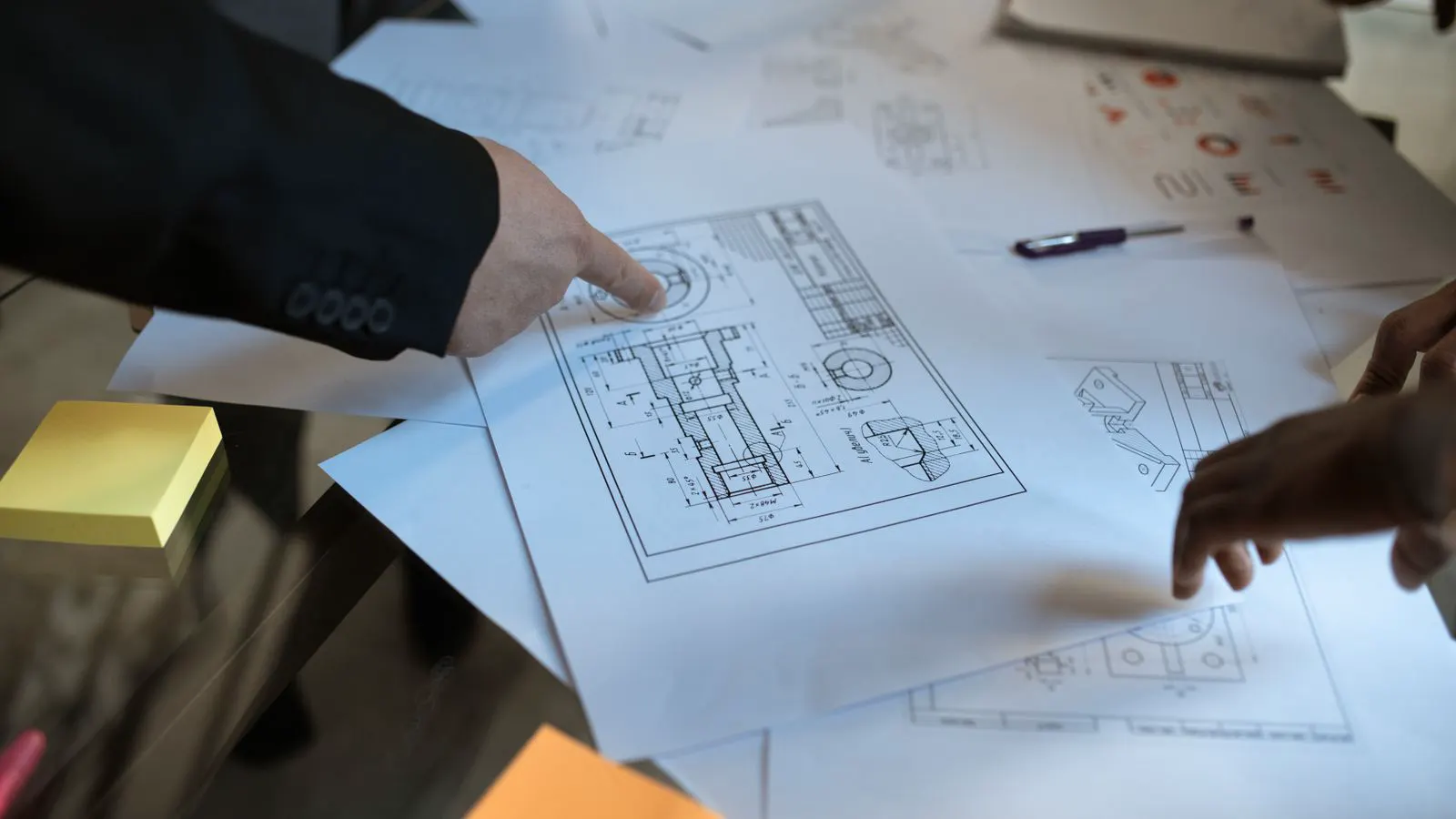
- A drawing or cross section with all dimensions marked.
- Material specification, such as alloy grade and temper.
- Tolerances for critical dimensions.
- Surface finish requirements, such as anodized, powder coated, or bare aluminum.
- Quantity and whether the order is a one time run or a repeat production.
- Required post processing, such as cutting, drilling, or deburring.
- Delivery date and whether the delivery is for a specific project or inventory.
If the drawing is incomplete, the supplier must make assumptions. Those assumptions often lead to a quote that is too high, or a first piece that does not match the design. The buyer then pays for rework or a new die.
A good RFQ also states the purpose of the profile. If the profile is for a machine frame, the supplier can ask about load requirements. If it is for a decorative panel, the supplier can focus on surface finish. This context helps the supplier suggest design changes that save cost without changing the function.
How to compare quotes fairly
Comparing extrusion quotes is not just about the unit price. Two quotes can look different because the suppliers made different assumptions about wall thickness, tolerances, or finish.
Check the wall thickness rules in each quote. If one supplier uses 2 mm walls and another uses 2.5 mm walls, the material cost will be different. Ask why the difference exists. The supplier with the thicker walls may have chosen that thickness to meet a strength requirement that was not stated in the RFQ.
Check the die lead time. Some suppliers quote the die as a separate line item. Others include it in the unit price. If the die is a one time cost, the unit price will be higher for small quantities and lower for large quantities. Ask how the die cost is amortized.
Check the cooling and post processing assumptions. A supplier that quotes a fast lead time may be assuming standard cooling and minimal post processing. If the profile needs complex cooling or custom drilling, the quote may not reflect the true cost. Ask for a breakdown of labor, material, die cost, and post processing.
A fair comparison requires the same scope. If one quote includes cutting and deburring and another does not, the prices are not directly comparable. Write the scope in plain language and ask each supplier to confirm what is included and what is extra.
Cost drivers at a glance
The table below shows the main cost and lead time drivers.
| Cost driver | How it affects price and lead time |
|---|---|
| Wall thickness | Thicker walls use more aluminum and slow cooling, raising material cost and production time. |
| Die complexity | More cavities and features require a more expensive die and longer die lead time. |
| Cooling time | Complex profiles trap heat, forcing slower extrusion and more cooling trials. |
| Tolerances | Tight tolerances require slower extrusion and more inspection, increasing labor cost. |
| Surface finish | Anodizing, powder coating, or custom finishes add processing time and cost. |
| Post processing | Drilling, cutting, and deburring add labor hours and extend delivery time. |
| Quantity | Larger quantities spread the die cost over more units, lowering the unit price. |
| Material grade | Higher alloy grades or special tempers can cost more and may require different die settings. |
Practical design tips to lower cost and lead time
Designing for extrusion means making choices that are easy to produce. A small change in the drawing can save significant cost.
Use standard wall thicknesses where possible. Standard thicknesses are easier to extrude and easier to inspect. Custom thicknesses require more careful die design and more testing.
Reduce the number of internal cavities if the function allows. Each cavity adds cooling difficulty and die complexity. If the cavity is not needed for strength, remove it.
Avoid very thin walls on long sections. Thin walls are hard to extrude without defects. If the design requires thin walls, consider adding support ribs or changing the profile shape.
State tolerances only where needed. A flat panel does not need the same tolerances as a machine bearing. Over specifying tolerances increases cost without improving function.
Ask the supplier for a design review. A good supplier will point out design features that are hard to extrude and suggest changes. This review can save money before the die is made.
The bottom line is simple. Extrusion profile design is a cost decision, not just an aesthetic one. Every millimeter of wall, every internal cavity, and every tolerance limit affects the die, the cooling system, and the production schedule. A clear drawing, a clear RFQ, and a fair comparison of quotes are the tools that turn a good design into a low cost, on time delivery.
Frequently asked questions
Why do complex profiles cost more than simple profiles of the same material?
Complex profiles require more complex dies, slower extrusion speeds, and longer cooling times. These factors increase labor, energy, and die cost.
How does wall thickness affect lead time?
Thicker walls use more material and cool slower, which can reduce extrusion speed. Thin walls use less material but can cause die wear and require tighter tolerances.
What is the biggest factor in extrusion cost?
Material quantity is usually the largest cost factor, followed by die complexity and post processing. The exact ranking depends on the profile shape and order size.
Can a supplier reduce lead time for a complex profile?
Yes, if the design is simplified, the tolerances are relaxed, and the RFQ is clear. A design review before die production can identify changes that shorten the schedule.
How should I compare two extrusion quotes?
Compare the scope, not just the price. Check wall thickness, die lead time, tolerances, surface finish, and post processing. A lower unit price may hide higher die cost or longer lead time.